
Virtual Seminar - Early Detection & Early Intervention Update
About Virtual Seminar - Early Detection & Early Intervention Update
Free Virtual SeminarDownload the flyer: Early Detection and Early Intervention UpdateDate: Wednesday 27th MayTime: 2.00-3:30pm British Summer Time (BST)Venue: VirtualCost: FreeRegistration has closed |
About the Early Detection and Early Intervention Workshop
This seminar provides a contemporary, evidence-based update on early neurodevelopmental screening and early intervention based on recent studies. Participants will receive an update on the latest evidence and guidelines supporting early identification of Cerebral Palsy (CP) and other neurodevelopmental disabilities (including autism, FASD and Developmental Delay), with a strong focus on translating this evidence into clinical practice.
Participants will learn from recent Publications by Dr Carly Luke and colleagues how the Hammersmith Infant Neurological Examination (HINE) can be effectively integrated with evidence-based early detection tools—including the General Movements Assessment (GMA) and the Motor Optimality Score–Revised (MOS‑R)—to strengthen early risk stratification for CP and broader neurodisability or neurodivergent outcomes such as autism, fetal alcohol spectrum disorder (FASD), and global developmental delay.
Prof Ros Boyd will highlight the implications of results from recent effective Early Intervention studies (REACH for infants with Hemiplegia, LEAP for infants in low resource settings and VISIBLE for babies with CP and Vision Impairment). These contemporary studies provide key principles of how we can provide effective early intervention commencing at 0-6 months in infants at high chance of Cerebral Palsy.
A key theme is moving beyond diagnosis alone, using early assessment tools to inform functional trajectories, clinical decision-making, and meaningful early intervention.
Workshop Overview and Objectives
Early Detection
This course emphasises the use of the HINE, GMA and MOS-R not only for early identification of CP, but also for early prediction of functional outcomes and CP distribution, supporting earlier prognostic discussions and targeted intervention planning. The seminar also introduces evidence-based and emerging tools, including the General Movements Assessment, Motor Optimality Score–Revised (MOS-R), and BabyOSCAR, demonstrating how combined assessments can be used to interpret infant developmental trajectories and identify broader non-CP neurodevelopmental disability and delay.
Early Intervention
This update will highlight the implications of results from recent effective Early Intervention studies (REACH for infants with Hemiplegia, LEAP for infants in low resource settings and VISIBLE for babies with CP and Vision Impairment). These contemporary studies provide key principles of how we can provide effective early intervention commencing at 0-6 months in infants at high chance of Cerebral Palsy.
Who should attend?
Any individual interested in or currently involved in clinical practice and research for early identification and provision of early intervention for infants at high risk of cerebral palsy (including Physiotherapists, Paediatricians, Child Neurologists, Occupational Therapists). This training is suitable for any level and there are no pre-requisites
Pricing
Attendance is free. Registration is still required.
Presenters
Professor Roslyn Boyd
PhD, MSc PT Advanced GMA certified.
Professor of Cerebral Palsy Research
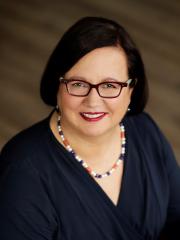
Dr Carly Luke
PhD, MSc PT Advanced GMA certified.
HINE Trainer

Contact
Please direct any enquiries to qcprrc@uq.edu.au & r.boyd@uq.edu.au.