Message from the Director
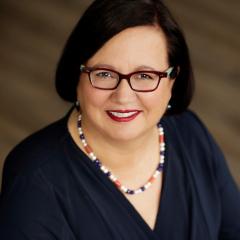
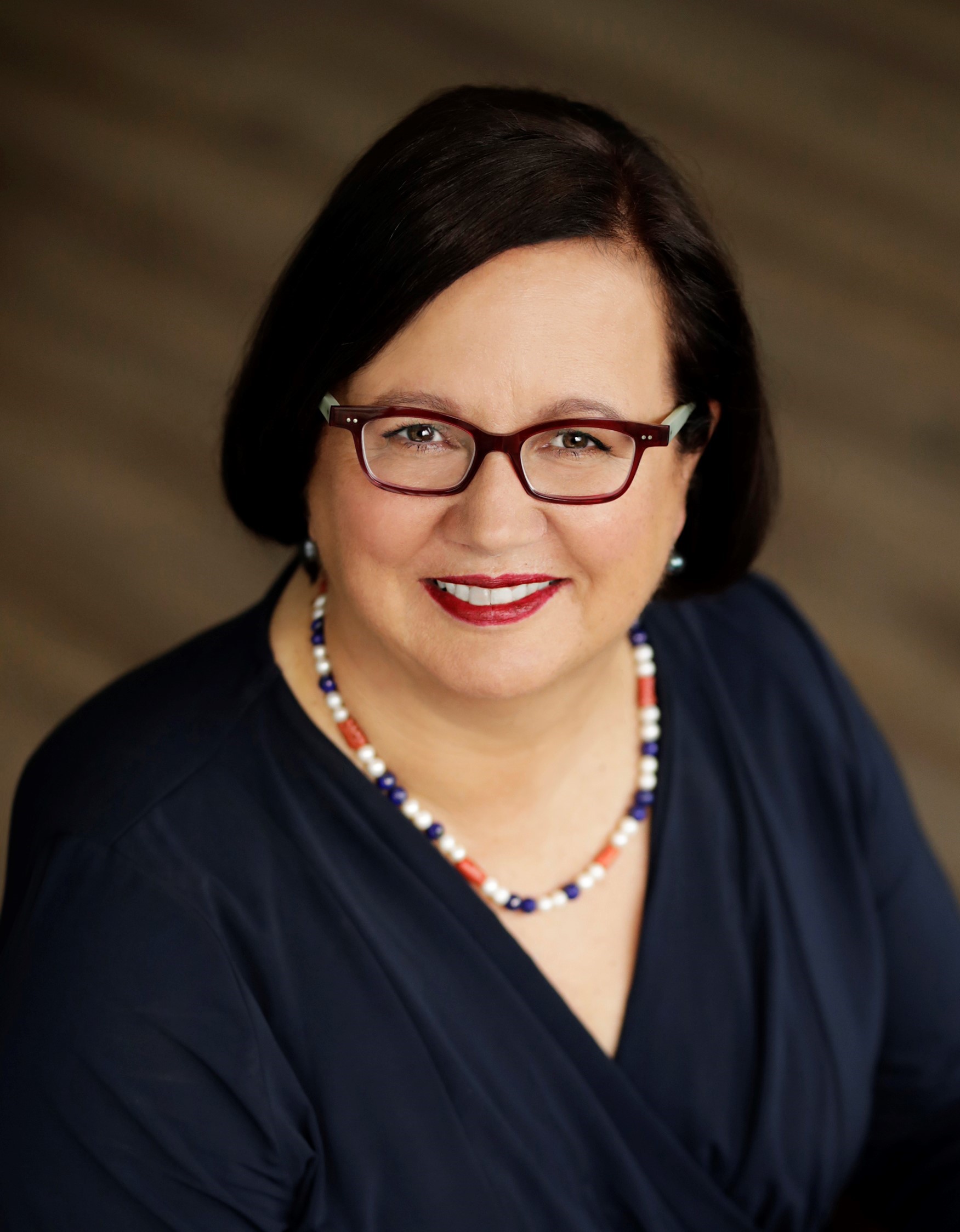
Professor Roslyn Boyd
 The Queensland Cerebral Palsy and Rehabilitation Research Centre (QCPRRC) has achieved 19 years of continuous research impact and output (since 2007) due to ongoing philanthropic support from the Merchant Charitable Foundation (MCF). The continued philanthropic support from MCF via the Children’s Hospital Foundation and matching funds from The University of Queensland have enabled and contributed to the QCPRRC’s successes in obtaining nationally and internationally competitive funding. Major funding sources in 2025 include the NHMRC Cerebral Palsy Synergy Program (A$5M), two joint Australian NHMRC and European Union Horizon programs – Born-To-Get-There (€3.7M) and Artificial Intelligence in Cerebral Palsy (AInCP;€6M), both with A$0.5M to support the Australian-arm of the programs and a new NHMRC CRE Aus-Health Network ($3M).
In addition, the QCPRRC team has demonstrated a strong track record in achieving numerous MRFF project funds such as the “CP-KASP” consumer led project and the MRFF Clinician Researchers - Nurses Midwives and Allied Health project “PACT-ONLINE”. The MRFF consumer-led program the Cerebral Palsy Knowledge, Advocacy and Support Program (CP-KASP) co-led by Prof Leanne Sakzewski, Dr Fiona Russso and Dr Shaneen Leishman (who has lived experience of Cerebral Palsy).
2025 was a very productive year for the QCPRRC team; where we have collaboratively published 59 journal articles and presented 20 research papers at national and international meetings showcasing the outstanding results/outcomes of this UQ centre research programs. The QCPRRC team has accomplished a Return on Investment (RoI) of 14.8 in 2025 based on the income received, leveraging from the $0.3M Merchant philanthropic support and $0.3M UQ strategic funds.
In 2025, the team has continued to extend its clinical trials across Australia, Europe and Southeast Asia working in the LEAP-CP trial with indigenous communities in regional and remote Queensland and now in the Northern Territory as well as supporting the EU Horizon Teams in Sri Lanka and Georgia in Eastern Europe. Leading the successful LEAP-CP program and as the Australian-arm of the international Born-To-Get-There consortium, the project team has successfully screened over >800 infants and recruited 152 infants to the Early Intervention LEAP-CP clinical trial to date. We have commenced surveillance and recruitment with our Aboriginal Medical Services in the NT to develop further capacity with our local community workers to upskill and translate our LEAP surveillance and early support program in urban, regional and remote Aboriginal and Torres Strait Islander communities.
QCPRRC and our collaborators have jointly marked numerous milestones in 2025 – I hope you enjoy reading about some of the key achievements and highlights from our work, and - whether you are a consumer, parent, researcher, clinician, or one of our many supporters – and that you will join our network as we would be delighted to work with you.